First Impression Matters – How Restaurant Signage Draws Diners In?

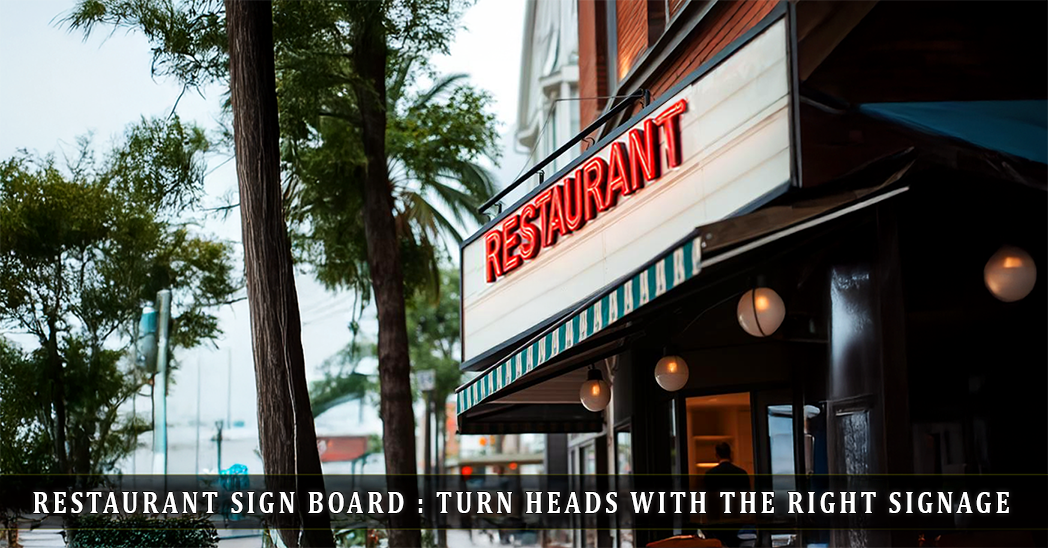
In the busy hospitality industry, the restaurant Signage tends to be the first impression that potential customers get of your brand. From name boards to colorful light boards and robust outdoor signs, good signage can generate foot traffic, provide the image of your restaurant, and create the atmosphere of the dining experience.
When you think about any digital sign boards then the very first thing that comes to mind is hotels, bars and menu boards. Believe it or not, people always look forward to the moving visuals that intrigue them the most.
Whether you’re launching a new eatery or rebranding an existing one, understanding the importance of restaurant sign board design, name board design, light board design, signage design, and outdoor signs is crucial for success. This blog explores the art and science of restaurant signage, offering insights and tips to make your establishment stand out.
The Importance of Restaurant Signage
Restaurant signage is used for a variety of purposes:
It grabs individuals’ attention, provides critical information, and promotes your brand. Properly designed signage will set your restaurant apart in a competitive marketplace, particularly in densely populated cities where competition is intense. Business publications demonstrate that good signage can influence foot traffic as much as 20%, thereby making it an efficient advertisement strategy. In addition to appearances, signage also directs customers to consider wayfinding signs to parking or menu signs that reduce wait times in half and facilitates compliance with regulations, such as displaying business hours or accessibility data.
Restaurant Sign Board Design: Blending Form and Function
A restaurant sign board, otherwise known as a sandwich board or A-frame sign, is an economical and effective method of capturing pedestrian traffic. These simple-to-use sign boards are perfect for busy areas, where you can promote daily specials, sales, or even a fun slogan. The secret to effective sign board design is simplicity and elegance. Employ large, easy-to-read fonts and high-contrast colors light letters on dark or dark letters on light to make them readable from afar. Warm color schemes like reds, oranges, and yellows also complement the welcoming aspect of restaurants.
Add your restaurant logo or a sign graphic to keep branding consistent. For instance, a chalkboard sign with freehand artwork will create a cozy, homemade feel for a cafe, whereas a contemporary metal board is appropriate for a fashionable bistro. Including a QR code in your virtual menu is a smart move, welcoming phone-conscious patrons who like browsing the internet. Make the sign weather-proof and able to withstand weather patterns if it is to be installed outdoors since durability is of prime importance in adverse weather conditions.
Restaurant Name Board Design: Making a Bold Statement
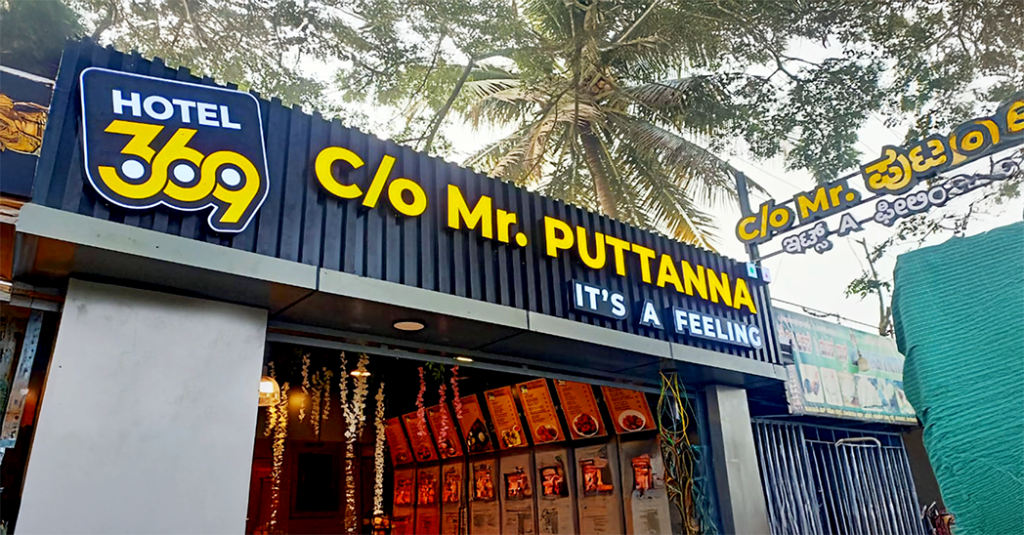
The name board, usually the awning sign above your restaurant entrance, is the foundation of your signage strategy. It is the biggest sign and usually the customers’ first point of contact. Your name board must be an expression of the personality of your restaurant – rural, new-age, or formal – and extremely legible during the day and night. Acrylic, aluminum, or wood stock are the usual material options, with 3D lettering introducing depth and sophistication.
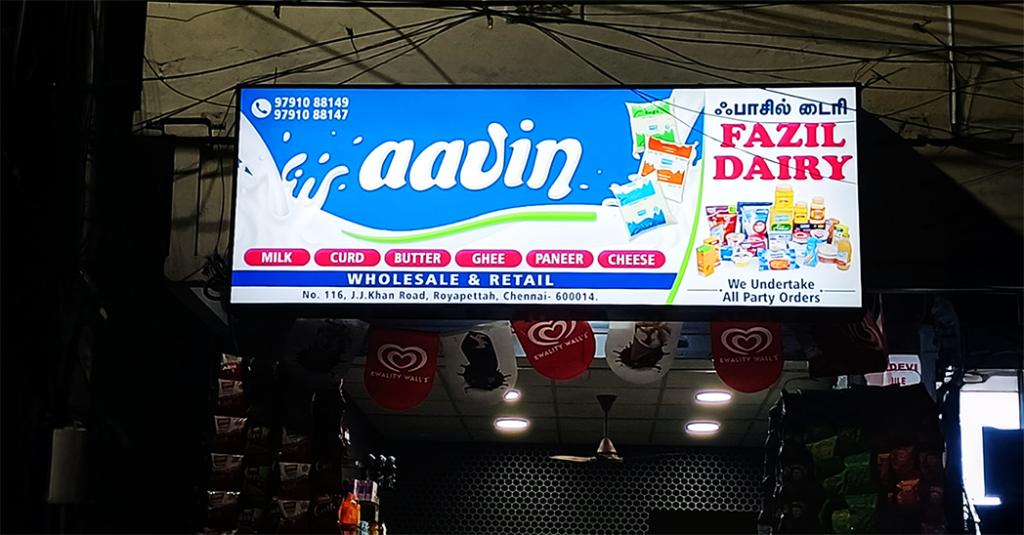
Think back to the history of your building when designing the name board. For example, sharp lettering on a weathered brick wall makes a striking contrast that “pops.” When space is at a premium, incorporate the logo into the name, such as a spoon and bowl symbol for a soup kitchen, to convey immediately your products. For small frontages, a hung sign in a rural pub look can make the most impact without dominating the frontage.
Restaurant Light Board Design: Lighting Your Brand
Light boards such as LED signs or backlit acrylic panels are required for nighttime visibility. They’re energy-efficient, durable, and programmable for dynamic effects such as flashing or scrolling messages. Your restaurant name, logo, or menu can be displayed on a light board with more intense glows using LED lights compared to old neon signs, even in sunlight. Use customizable LED colors such as warm white or bright red to match your brand style.
For a retro appearance, employ a hand-stamped logo and vintage font lightbox sign. These are suitable for indoors or outdoors and add a sense of whimsy. Lit menu boards are especially effective indoors, creating the illusion of shorter wait times by involving customers with images of your offerings. Have the lighting medium-bright so that onlookers are not intimidated, as excessive bright lighting may repel eyes.
Restaurant Signage Design: Creating a Unifying Appearance
Your signs need to have a uniform appearance, coordinating interior and exterior signage. Using the same colors, fonts, and logos on every sign – name signs, menu signs, window clings, and banners—builds brand identity. An expensive restaurant, for instance, may employ sophisticated serif fonts and muted gold coloring, while a fast-casual restaurant may use bold, graphic imagery.
Install hands-on signs, such as “Wait to Be Seated” or restroom direction arrows, to increase customer experience. Electronic menu boards are a cutting-edge option, enabling real-time updating for specials or prices. For green brands, utilize reusable products to attract aware diners.
Restaurant Signs Outdoor: Boosting Curb Appeal
Signs outdoors, such as pylon signs, window decals, or banners, are your restaurant’s billboard to the world. Pylon signs atop poles are well suited for visibility on roadsides, and vinyl banners are water-resistant and suitable for short-term promotion sales. Window decals that display mouth-watering images of dishes can tantalize passersby without being lit.
Placement is everything – put signs at eye level or higher where they can be seen from the road. Strip mall eateries must include storefront signs with banners to clearly delineate your space. 24/7 establishments require lighted exterior signs for nighttime visibility.
Final Thoughts
Purchasing a good restaurant sign board is more than a design decision—it’s an entrepreneurial decision to be seen, drive traffic, and move your brand forward. From A-frame sign boards to eye-catching name boards and vibrant light boards, each aspect is designed to create a lasting first impression. With clarity, strength, and consistency as the number one priority, you can create signage that not only welcomes diners in but also enhances the overall dining experience. Ready to make your restaurant’s curb appeal shine? Design your signage today from, ARC India and see your business thrive.
Why is restaurant signage important for attracting customers?
The first impression of your restaurant is created by its signage. A sign that is well designed will help the customer to see your restaurant and give better visibility; therefore, when someone sees your sign, they are more likely to come into your establishment. Well-designed signage provides customers with valuable information and guides people inside the restaurant. It also improves the customer’s overall experience in your restaurant.
What type of restaurant sign board works best for outdoor visibility?
You can often find a great outdoor restaurant sign with one of the following: an LED sign, an illuminated menu board, a clear acrylic nameboard, a pylon sign, or a weatherproof sign at your storefront. The best choice for your restaurant will depend on the location of your restaurant, your branding “style”, and whether you need daytime or nighttime visibility.
Which materials are commonly used for restaurant signage?
Signage at restaurants is usually made from a variety of materials, including acrylic, aluminium, stainless steel letterforms, LED lighting, ACP panels and vinyl graphics. Choosing the best option for a specific sign can depend on a variety of elements, such as required durability, location (indoor/outdoor), and the overall look of a restaurant’s branding.
How can restaurant signage improve customer experience?
Restaurant signage serves more than one purpose. In addition to branding, restaurant signs like directional signs, a menu display, and signs in the waiting area provide directions for customers to navigate through the restaurant and reduce confusion. All of these types of signs contribute to a more seamless dining experience for patrons by guiding them in and out of the restaurant.
Should restaurants choose traditional signs or digital menu boards?
The choice between traditional signage and digital menu boards is built on your company’s specific requirements. Traditional signs provide companies with a long-term branding solution, while digital menu boards allow for quick updates to pricing, promotions, and menu items; therefore, many restaurants are utilizing a blend of both options for maximum exposure and adaptability.
How do I choose the right restaurant signage design?
Choose your design with the help of your service partner; they will provide you with the complete guide that fits your business branding. So reach out to us at ARC India, and we are here to help you by providing top-notch solutions.