
Custom T-Shirt Printing That Actually Show Up On Time

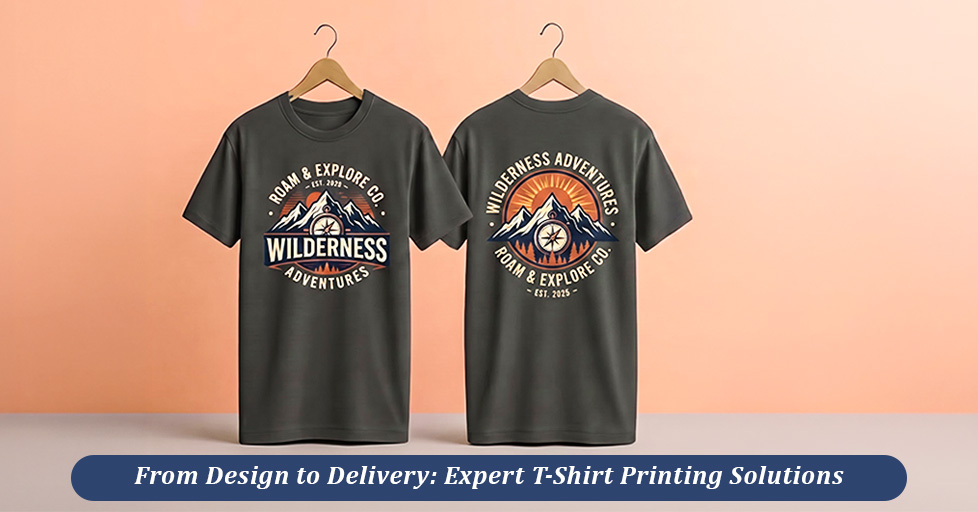
I got a call last month from a friend who runs a small logistics company in Coimbatore. She needed 200 shirts for her drivers, wanted them done in three weeks, and had zero idea where to start. She’d already gotten burned once, paid a “printer” who turned out to be a middleman, waited five weeks instead of two, and got shirts with a logo that looked nothing like the mockup. By the time she called me she wasn’t even asking about design anymore. She just wanted someone who’d actually deliver what they promised.
That conversation is basically why I’m writing this. T-shirt printing sounds like a simple service until you actually need it done properly, at scale, on a deadline. Then suddenly you’re asking questions you never thought you’d care about: what’s the difference between screen printing and DTG, why does one quote say ₹150 a shirt and another says ₹280, and why did nobody mention minimum order quantities until after you’d already picked your design.
The Boring Stuff That Actually Decides Everything
Nobody gets excited about production capacity. It’s not a fun topic. But it’s the one thing that determines whether your order shows up on time or three weeks late with an apology email attached.
A company that’s been doing custom t-shirts for over 15 years has usually already made every mistake there is to make and fixed the process so it doesn’t happen again. That’s not a marketing line, it’s just how any trade works. You don’t get good at something by reading about it. You get good by ruining a batch of fabric at 2am and figuring out why.
This is where a name like ARC India tends to come up in conversations with people who’ve actually ordered before, not just people quoting from a homepage. Fifteen-plus years in the business means they’ve handled the weird edge cases: a logo that won’t sit right on a v-neck, a fabric that shrinks unevenly after the third wash, a client who needed 800 shirts by Friday because someone forgot to place the order two weeks earlier. None of that is glamorous. It’s just what experience actually looks like when you’re in it.

Why “In-House” Matters More Than People Realize
Here’s a thing that annoyed me the first time someone explained it to me: a huge number of printing “companies” don’t print anything themselves. They take your order, send it to whoever’s cheapest that week, and cross their fingers. If the shirts come back wrong, you’re stuck between two businesses pointing at each other.
Large in-house production capability cuts that whole mess out. Everything happens in one place: the printing, the quality checks, the packing. If a shirt in a custom printed shirts batch comes out wrong, someone catches it before it ships, not after your HR team is opening boxes in front of 400 confused employees.
I’ve seen this go badly enough times to know it’s not a small detail. It’s basically the difference between a vendor and a middleman wearing a vendor’s website.
B2B Work Is a Different Animal Entirely
Printing ten shirts for a friend’s birthday and printing 500 for a company rollout are not the same job, even though they look similar on paper. Bulk t-shirts printing for a business comes with its own baggage matching invoices to a procurement system, hitting a launch date that can’t move, making sure size 400 in the box looks exactly like size 1.
Expertise in B2B industries isn’t just a phrase to put on a website. It means the vendor already understands how corporate ordering actually works PO numbers, approval chains, the fact that your finance team needs an invoice formatted a specific way or it’ll bounce back for three weeks of email chains. A custom t-shirt printing order that ignores these realities usually ends up as somebody’s Friday-afternoon headache.
Design Isn’t Decoration, It’s Communication
A lot of people treat the design step like it’s the easy part: just slap a logo on a template and move on. That’s how you end up with a construction company’s uniform looking like a nightclub flyer, or a nonprofit’s event shirt looking like corporate merch nobody asked for.
Custom design and printing actually starts with someone paying attention to what a brand is trying to say, not just what it looks like. An experienced design team knows when a logo’s too small to survive a wash cycle, when a color won’t hold on a certain fabric, and when a client’s first idea needs a gentle push toward something that’ll actually print well instead of looking flat once it’s on fabric. That’s corporate branding expertise not a buzzword, just years of knowing what breaks and what doesn’t.
Nobody Should Feel Too Small to Ask
Small business owners sometimes assume the bigger printers only care about massive accounts. In my experience that’s rarely true. Most serious operations are just as happy running a 50-piece order as a 5,000-piece one; the real question is whether they’ve got the machines and staff to handle either without cutting corners.
Bulk order accepted isn’t just a line item. It reflects actual capacity, enough people, enough equipment, enough fabric sourcing relationships that a small order today doesn’t become a bottleneck when the same client comes back next quarter needing ten times as much.
Location Actually Matters More Than People Think
A lot of printers claim they “serve all of India,” which usually just means they’ll ship a box anywhere a courier goes. That’s not the same as understanding a region, what industries are clustered there, what the typical turnaround expectations look like, and how to keep five offices in sync in one order.
Multi-location delivery capability is the difference between managing one relationship and juggling five separate vendors under one invoice. Whether it’s custom polo shirts for a head office in Chennai or company logo t-shirts for a smaller branch in Kochi, the process should feel like one conversation, not five.
ARC India operates specifically around cities like Chennai, Coimbatore, Bangalore, Mysore, Hosur, Tumakuru, and Kochi, which matters if your company’s growing and opening offices instead of staying put in one city forever. You shouldn’t have to restart your vendor search every time you expand.
What to Actually Check Before You Commit
If you’ve typed t-shirt printing near me into your phone at some point recently, you already know the search results are overwhelming. Everyone claims to be the best. Almost nobody explains what that actually means in practice.
Before picking anyone for custom tee shirts near me type searches, ask about their actual production setup, not just pricing. This is roughly the same checklist people run through before reaching out to ARC India, so it’s worth applying to any vendor you’re comparing. Ask what happens if a batch has an error. Ask if their design team can work from a rough sketch or a half-formed idea, because most business owners aren’t designers and shouldn’t be expected to hand over a print-ready file.
Fabric and Fit – The Part Everyone Forgets
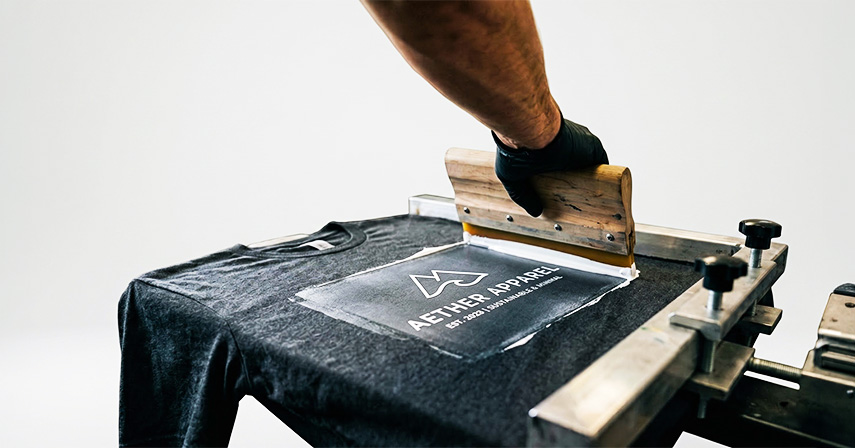
Here’s something that gets ignored constantly: the shirt underneath the print matters just as much as the logo on top of it. A sharp design on scratchy, badly-cut fabric doesn’t do anyone favors, no matter how clean it looked in the mockup. Weight, breathability, cut all of it decides whether a customized tee shirt order actually gets worn to work or quietly turns into a car-washing rag within a month.
A printer who’s done hundreds of personalized tee shirts orders across different industries already knows which fabrics survive warehouse heat, which ones feel fine under office AC, and which cuts actually work across different body types instead of just looking good on one model in a catalog. That kind of knowledge doesn’t come from a spec sheet. It comes from years of actual complaints and actual fixes.
The Long Game
Business t-shirts with logo work sounds straightforward until you’re the one managing reorders across departments and locations. The vendors people stick with long-term are the ones who treat every repeat order as a chance to improve something: a better fabric based on last time’s feedback, a fixed sizing chart, a faster turnaround once trust is built.
That’s really the gap between a one-time transaction and an actual working relationship. Personalized t-shirt printing for a single event is just that one event. Ongoing company shirts with logo production for an entire organization is something else entirely, and it only works when both sides understand each other’s rhythm, busy seasons, budget approvals, the branding refresh that happens every couple of years whether anyone wants it or not.
Wrapping This Up
At the end of the day, logo tshirt printing and custom made shirts production comes down to two things that don’t always get discussed together: craftsmanship and logistics. Craftsmanship is how good the print actually looks on fabric. Logistics is whether 500 shirts show up on time, in the right sizes, looking identical. The businesses that stay happy long-term found someone who could handle both without dropping either one.
Whether you’re looking for best t shirt printing for a one-off event or trying to lock in custom logo t shirts as a standing arrangement across multiple offices, the checklist doesn’t really change check the production setup, check the design team’s actual judgment, and check whether the vendor understands your industry instead of treating every order like it’s identical to the last one.
What's actually better about in-house production compared to outsourced printing?
Everything happens under one roof sourcing, printing, quality checks, packing. That means fewer handoffs, fewer chances for something to go wrong, and a much faster fix if something does.
Will a smaller business get taken seriously for a small order?
Usually yes, as long as the vendor has real production capacity. A serious operation can handle a 50-piece order today and scale to a much bigger one later without your quality dropping.
Should I upload my own design or rely on their design team?
Either works, but an experienced design team will catch problems before they become expensive: a logo that’s too small, colors that won’t hold on certain fabric, that sort of thing.
Is B2B printing really that different from a regular order?
Yes, mostly around the logistics side. Corporate orders usually need consistent sizing, invoices that match procurement systems, and support for repeat orders rather than one-off transactions.
Why should multi-location delivery matter to a growing company?
If you’ve got offices in more than one city, working with a vendor who understands each region means consistent quality everywhere, instead of stitching together five different vendors and hoping they all deliver the same thing.