

3D Printing Models for the Aerospace and Defence Industry
Enabling rapid prototypes, testing and deploying of innovative solutions while elevating mission-critical designs with precision.
3D Printing in Aerospace and Defence Industry: Engineering the Next Frontier
The latest tech brings in the advantage of creating something new and exclusive. Bring in the change in industry 3D printing in aerospace industry has hype because of its creativity in showing how it works. We are currently seeing a typical pattern: with each breakthrough, industry players withdraw from the industry to focus on the new momentum. Even if we know what to expect next, the work behind the scenes is astounding, and it’s all geared toward gaining a competitive advantage. As a result, it is not surprising that 36% plan to invest in additive manufacturing within the next five years. This figure excludes early adopters of additive manufacturing technologies in the market sector.
Aircraft manufacturers benefit from Arc India’s competence in large-scale additive manufacturing, which allows for the creation of complicated components with shorter lead times and costs. Arc India enables businesses to improve supply chains, increase production flexibility, and meet the demands of modern aerospace markets through strategic partnerships along with customized solutions.
Arc India is leading the industry toward more eco-friendly and sustainable practices, in line with worldwide initiatives to minimize carbon emissions and environmental impact.
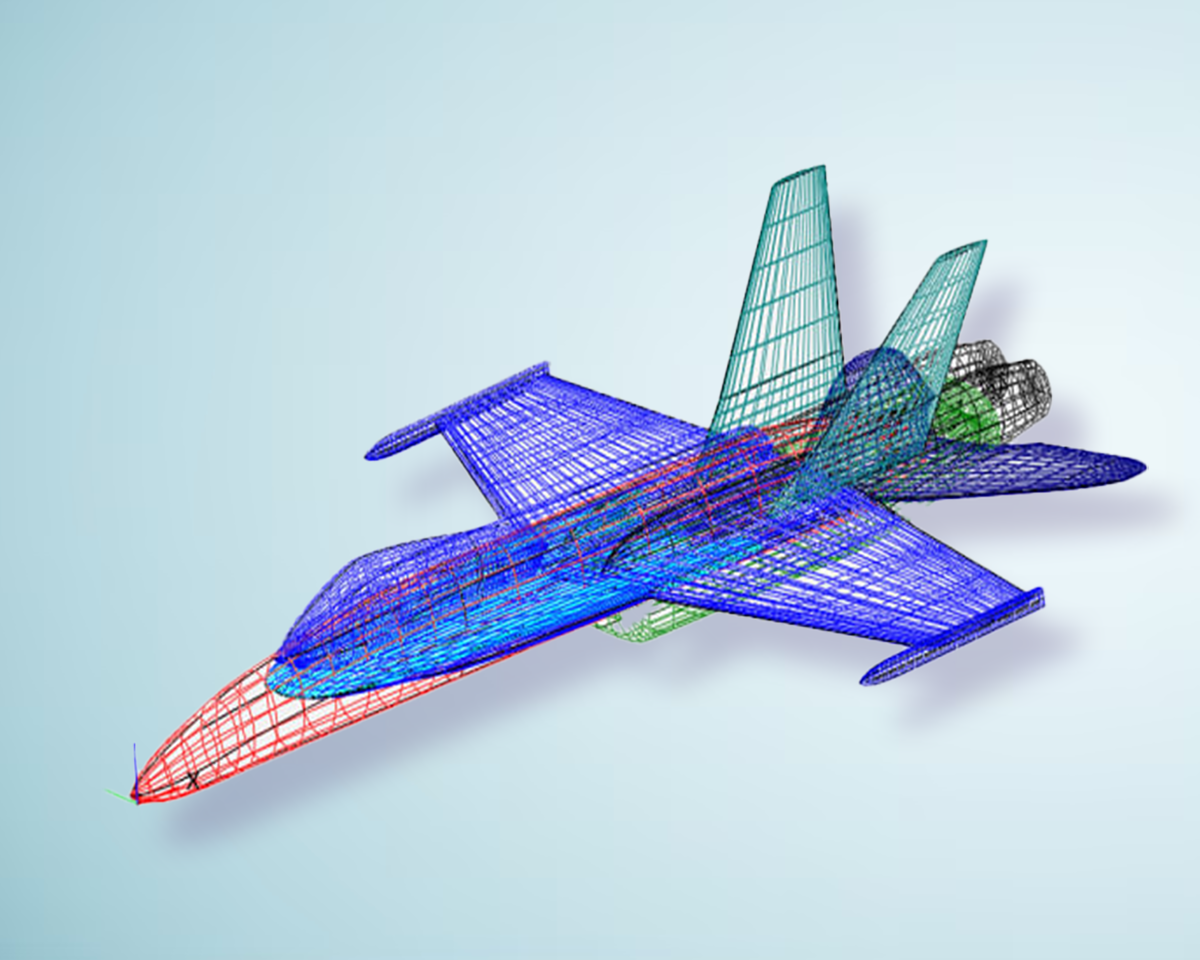
On-Demand Innovation 3D Printing in Aerospace Technology
The trending technology brings change in business, each sector prefers to grab something new which helps to attract audiences. Therefore ARC India is helping to grow by providing the best services for 3D printing in aerospace and defence. With a focus on innovation and precision, Arc India caters to a wide range of aerospace audiences, addressing their unique demands and difficulties. With the advent of providing cutting-edge 3D printing solutions to aerospace engineers and designers, streamlining the prototyping and development processes. Engineers can quickly iterate designs and test new concepts by leveraging modern materials and cutting-edge printing techniques, speeding the pace of invention. This technology is booming, so the industry is adopting it to their advantage in this competitive market. Arc India is paving the way for a more efficient, sustainable, and technologically advanced aerospace sector by meeting the diversified needs of engineers, manufacturers, operators, and environmental stakeholders.
Why Choose ARC India For 3D Printing Applications In Aerospace?
Arc India stands at the forefront of innovation in the aerospace industry, leveraging cutting-edge 3D printing technology to redefine aircraft manufacturing. With a focus on precision and efficiency, Arc India offers comprehensive solutions tailored to the unique needs of aerospace engineers, manufacturers, operators, and environmental stakeholders. In essence, Arc India’s pioneering work in 3D printing is reshaping the future of aerospace engineering and manufacturing, ushering in an era of unprecedented efficiency, sustainability, and technological advancement.
Focusing on each detail and delivering high quality products to please all the customers to maintain good terms throughout every year.

High end printing device
Their extensive industry knowledge and devotion to quality control, combined with aerospace-specific certifications, ensure that projects fulfill strict criteria and regulations.With best technology making it possible to provide top notch quality products.

Expert Team
We have the best team to handle all the work pressure that needs to be delivered to our customers.And each projects and products are delivered with care.

Cost-Effectiveness and Sustainability
For certain applications, 3D printing can be more cost-effective than traditional production processes. Furthermore, Arc India supports sustainable operations, utilizing eco-friendly materials and procedures whenever possible, in line with numerous aerospace programs.
Review Date
Full Text
Testimonials
Our customers love us, read what they have to say about us
Trusted by Leading Brands































FAQ
3D printing offers several advantages in aerospace, including:
- Lightweighting: Complex, lightweight components can be printed, reducing weight and improving fuel efficiency.
- Design freedom: Intricate geometries and custom designs are possible, pushing the boundaries of traditional manufacturing.
- Rapid prototyping: Faster iteration and testing cycles lead to quicker innovation and development.
- Reduced lead times: Production can be localized and parts printed on-demand, minimizing lead times and supply chain constraints.
- Material advancements: New materials with superior properties, like high-strength and heat-resistant plastics, are being developed specifically for 3D printing in aerospace.
Despite its benefits, challenges do exist:
- Qualification and certification: Meeting stringent industry standards and regulations for materials, processes, and component performance can be complex.
- Limited material selection: While materials are evolving, not all aerospace materials are readily available for 3D printing yet.
- Post-processing: Finishing techniques like heat treatment and non-destructive testing need further development for specific applications.
- Cost considerations: While cost-effective for certain parts, 3D printing might not be suitable for mass production due to higher per-unit costs compared to traditional methods.
Applications are diverse and growing, including:
- Aircraft components: Interior parts, brackets, air ducts, and even non-critical structural elements.
- Prototyping and testing: Rapidly creating functional prototypes for wind tunnel testing, design verification, and fit checks.
- Custom prosthetics and implants: Lightweight, personalized prosthetics for pilots and custom implants for injured passengers.
- Spacecraft components: Tools, fixtures, and even some non-critical parts for satellites and spacecraft.
- Maintenance and repair: On-demand printing of replacement parts for aging aircraft, reducing downtime and logistics costs.
The future is promising, with continued advancements in:
- Materials: Expect wider availability of materials that meet aerospace requirements for strength, temperature resistance, and other critical properties.
- Technology: Improved printer capabilities, larger build volumes, and faster printing speeds will facilitate wider adoption.
- Regulations: Streamlined qualification and certification processes will ease the integration of 3D-printed parts into aircraft.
Numerous resources are available:
- Industry publications: Follow publications like Aviation Week & Space Technology and 3D Printing Industry for news and updates.
- Conferences and trade shows: Attend events like the International Astronautical Congress and RAPID + TCT to discover the latest developments.
- Research reports: Consult reports from organizations like Gartner and Wohlers Report for market insights and trends.
Digital and Offset printing Service for Lightning Fast Print Deliveries

Signages
Flaunt your brand in style with ARC’s indoor and outdoor signage. Create a great impression at minimal expense.
Read More
Digital/Offset Printing
ARC offers online digital printing services to substantiate your communications with premium quality prints.
Read More
Corporate Gifting
Transform your special memories into beautiful photo prints on wood, canvas, mugs or cushions.
Read More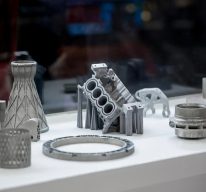

Wall Graphics
Printed Wall Graphics, murals, and vinyl Wall Decals can transform boring walls into work of art. We offer all kinds of Wall Graphics printing for homes and offices.
Read More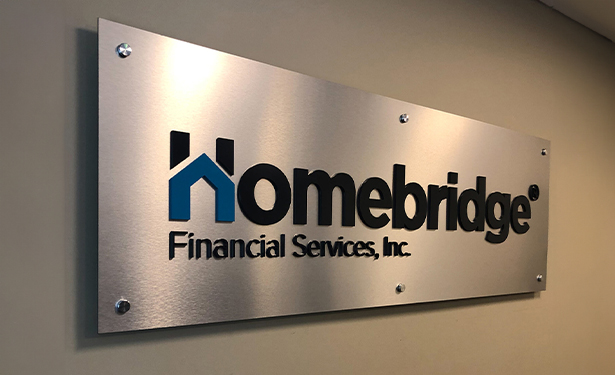
Indoor/Outdoor Signages
Flaunt your brand in style with ARC’s indoor and outdoor signage. Create a great impression at minimal expense.
Read More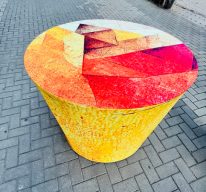
Events & Trade Show
ARC Delivers Guaranteed outcome with our unique Events & Trade show services
Read More
Large Graphics
At ARC India, our print experts will find you the right print solution as per your requirements. We provide every customisation on your company’s signage needs, from large prints with vinyl letters to digitally printed illuminated signage.
Read More
Get Free Consultation & Quotation
Fill up the details below
Get Your Download Now
Fill up the details below